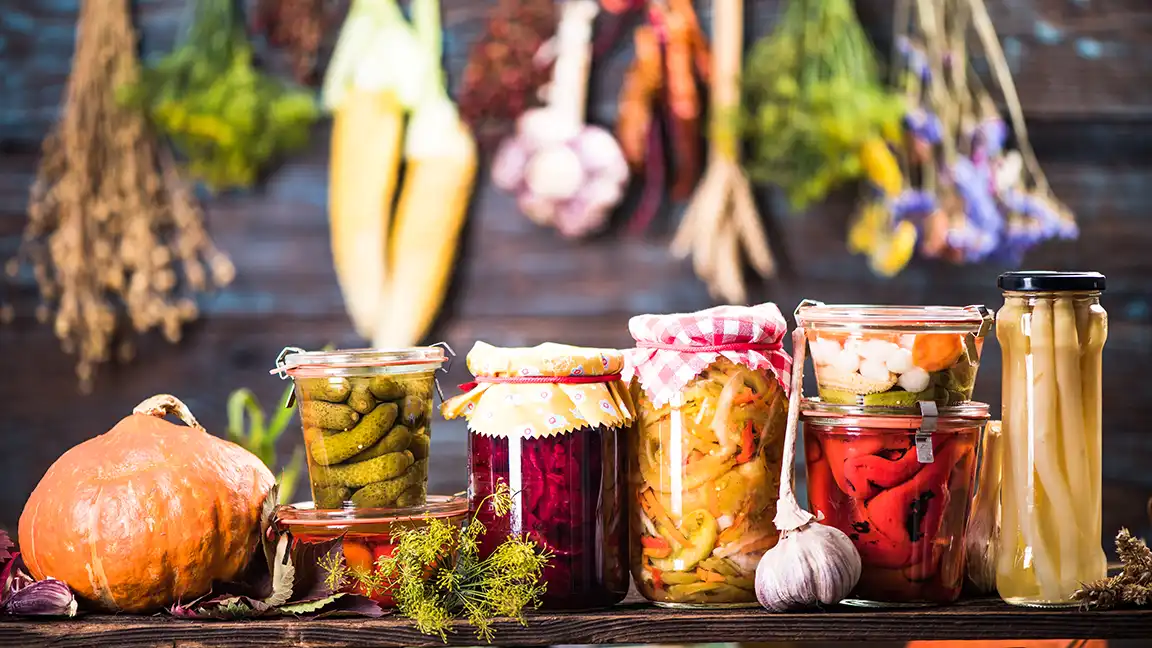
Food Carries Memory.
Every ingredient, dish and food tradition carries a story about people and place. Discover where our food came from, who carried it forward and why it still matters.
Memory.
Place.
People.
Food tells us where we've been, who came before us and how places became what they are.
A recipe can cross an ocean. A seed can move with a family. A fishing tradition can define a coastline. A crop can shape the economy and identity of an entire region.
Food heritage lives in those connections. It is found in what we grow, catch, cook, preserve, celebrate and pass forward.
Cucina explores those stories not as artifacts from the past, but as living parts of the food systems around us today.

Heritage Isn't Something We Left Behind.
We eat it every day.
It is in the crops farmers continue to grow, the seafood communities continue to harvest, the dishes families still prepare and the ingredients chefs reinterpret for another generation.
Sometimes we know the story. Sometimes we simply know the taste.
Cucina connects the two.
Follow the Story From Six Directions.
Heritage rarely belongs in one category. A place leads to an ingredient. An ingredient leads to a dish. A dish leads to a person. A person leads to a tradition.
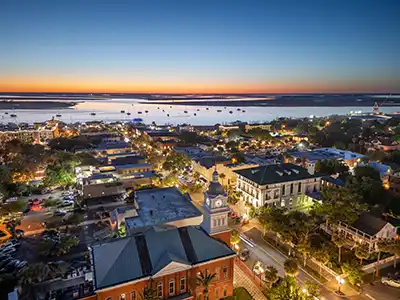
Places
Mountains, coasts, river valleys, islands and cities create distinct ingredients, traditions and food cultures.

People
Food traditions survive because people grow, cook, teach, remember and carry knowledge forward.
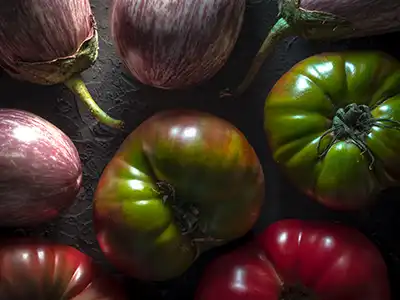
Ingredients
Rice, corn, beans, apples, oysters, peaches and countless other foods carry histories of their own.
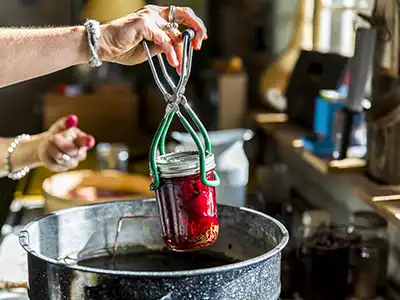
Traditions
Preservation, harvests, communal meals, cooking techniques and celebrations tell us how communities lived.
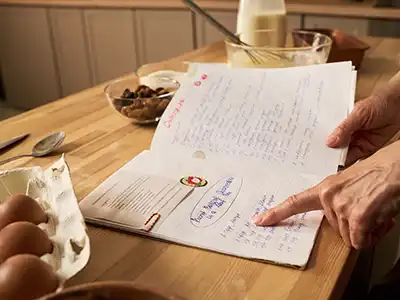
Dishes
Recipes bring ingredients, culture, adaptation and family memory together on one plate.
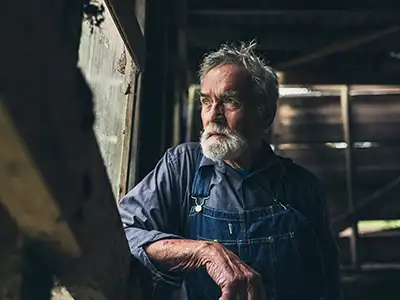
Stories
The stories behind food help us understand why it matters beyond what is on the plate.
Many Stories Meet at the Southern Table.
Southern food has never come from a single culture or tradition. Geography, migration, agriculture, trade and generations of adaptation have created overlapping foodways that continue to evolve.
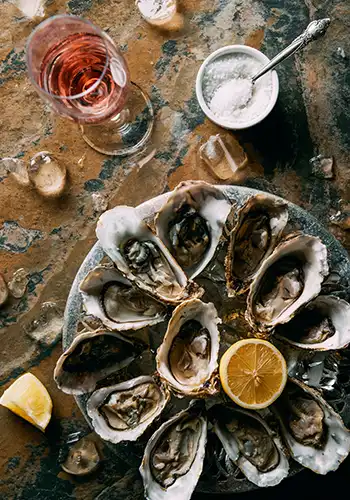
Southern
Farms, fields, coastlines, kitchens and tables across the South.

Appalachian
Preservation, seed saving, mountain agriculture and resourceful cooking.
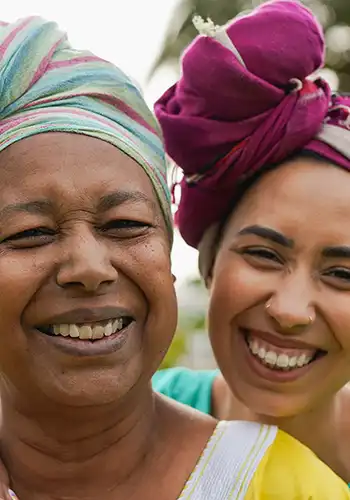
Gullah Geechee
Rice, seafood, agriculture and West African knowledge carried forward.

Creole
A cuisine shaped by cultures meeting, adapting and creating something distinct.
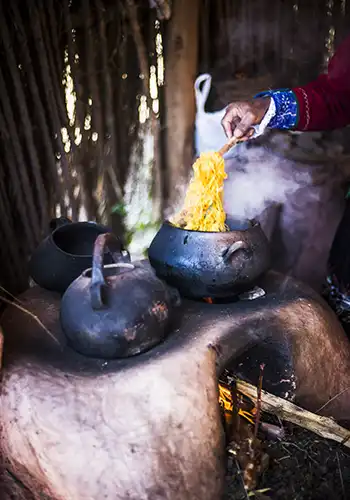
Indigenous
Crops, knowledge and food traditions rooted in the land long before modern borders.

Mediterranean
Ingredients and traditions that traveled, adapted and became part of American tables.
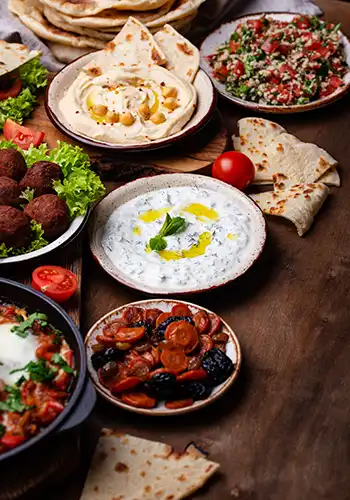
Arabic
Family dishes, ingredients and traditions preserved across generations and continents.
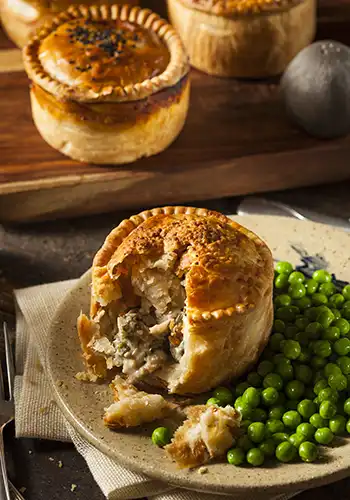
European Influences
Irish, Scottish, Italian and other traditions reshaped by new ingredients and places.
Heritage Is Not About Recreating the Past. It's About Understanding What We Carry Forward.
Food changes. Recipes adapt. People move. Ingredients become available or disappear. Traditions survive because each generation decides what is worth keeping.

Rice
Rice is more than an ingredient in the Lowcountry. Its story connects landscape, agriculture, African knowledge, forced labor, commerce, cooking and the development of a distinct regional food culture.
Follow rice through Cucina and the ingredient becomes a pathway into people, places, producers, restaurants and history.
Traditions Don't Preserve Themselves.
Recipes can be written down. Seeds can be stored. Tools can be placed in museums.
But food heritage survives because people continue to grow, harvest, cook, teach, adapt and share what they know.
Cucina looks for the people doing that work today—not only historians, but farmers, fishers, cooks, chefs, gardeners, makers and families.
Growers
People keeping regional crops, seeds and agricultural knowledge alive.
Fishers + Harvesters
Coastal and inland traditions built around what particular places provide.
Cooks + Chefs
People translating inherited food traditions for today's tables.
Families + Communities
The everyday keepers of recipes, customs, celebrations and memory.

Geography Leaves a Mark on the Table.
The Lowcountry tastes different from Appalachia. The Gulf Coast tastes different from North Georgia. Climate, water, soil, crops, migration and culture give places their own food identity.
Heritage helps explain why.
Explore Food by Place →A Dish Can Tell an Entire Story.
Look closely at a traditional dish and you may find agriculture, migration, necessity, celebration, family and geography sharing the same plate.
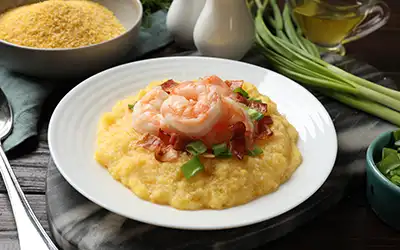
Shrimp + Grits
Seafood, corn and Lowcountry food traditions brought together in a dish now known far beyond its origins.
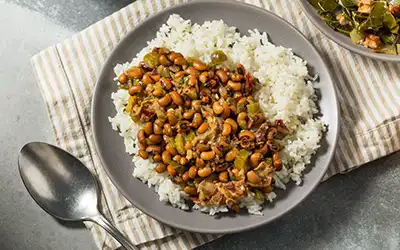
Hoppin' John
A dish connected to rice culture, African foodways, the Lowcountry and New Year's traditions.
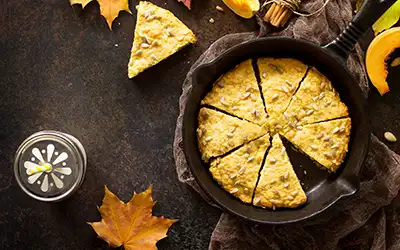
Cornbread
Simple ingredients reveal a much larger history of corn, agriculture, regional preference and adaptation.
Understand the Food Behind the Food.
Cucina's heritage stories explore how foods, traditions and communities became part of the way we eat today.
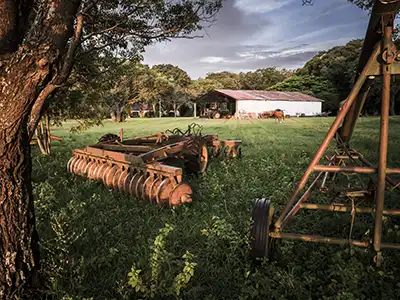
Before Farm-to-Table Had a Name.
Georgia was celebrating locally produced food more than a century ago.
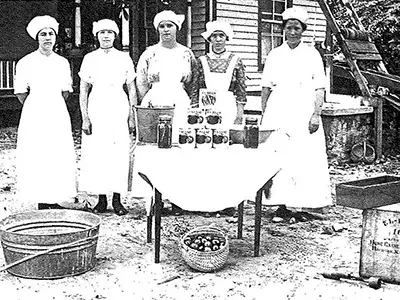
Girls' Tomato Clubs in the South.
Food, agriculture, education and opportunity connected through the garden.

Explore the Heritage Archive.
Discover stories of Southern, Mediterranean, Middle Eastern, European and American food traditions.
Heritage Doesn't Live on One Page.
Cucina connects heritage with the foods being grown, the people producing them, the restaurants cooking them and the places where those traditions still live.
Eat Now
Discover foods at their best and the heritage behind them.
Find Local
Meet producers, markets and restaurants carrying food traditions forward.
Grow
Discover heirloom seeds, regional crops and living agricultural traditions.
Taste the Place
Visit the landscapes, farms and communities where food traditions still live.
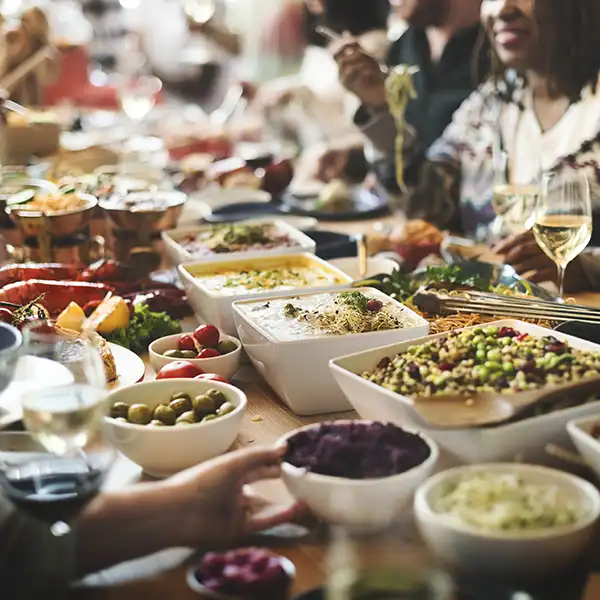
Every Family Has a Food Story.
Some of the most important food heritage never appears in a history book.
It lives in a handwritten recipe, a seed passed between generations, a dish made every holiday, a fishing tradition, a community supper or something a grandparent taught you to cook.
Cucina wants to discover those stories.
Know the Food. Know the Story. Understand the Place.
Food heritage gives context to what we eat. It connects ingredients with people, meals with memory and today's table with everything that came before it.
Explore Food Heritage →