Cucina di Madre Terra | Local Food Thought Leadership
By Frank Webb, May 10, 2026
The Chef Gets the Applause. The Farmer Made the Moment Possible.
Why local food movements must bring the producer out from behind the plate.
A great dish gets attention.
The plate arrives. The colors are beautiful. The sauce is perfect. The greens are bright. The meat is tender. The bread is warm. The cheese has character. The tomatoes taste like summer. The herbs lift the entire meal.
The guest takes a photo. The chef receives the compliment. The restaurant earns the praise. The experience becomes a memory.
But behind that moment is someone the guest may never see.
Someone planted, raised, harvested, gathered, caught, baked, aged, preserved, milled, or made the ingredient that gave the dish its life.
A farmer worked the soil. A grower watched the weather. A rancher carried the risk. A fisherman understood the water. A baker protected a tradition. A cheesemaker trusted time. A beekeeper followed the bloom. A miller, gardener, forager, or maker contributed craft long before the plate reached the table.
This is one of the great imbalances in modern farm-to-table culture:
The plate is celebrated.
The chef is recognized.
The producer is too often invisible.
At Cucina di Madre Terra, we believe that has to change.
If consumers are going to build a deeper relationship with local food, they need to know the people who make local food possible.
Because food becomes more meaningful when the producer is no longer hidden.
Farm-to-Table Should Not End at the Plate
Restaurants play an essential role in local food culture.
A skilled chef can turn seasonal ingredients into an experience. A thoughtful restaurant can introduce guests to unfamiliar produce, heritage meats, regional seafood, local grains, handmade cheeses, and traditional preparations. A beautiful meal can make people care about ingredients in a way that ordinary shopping often does not.
But farm-to-table should not end with the chef.
It should point backward.
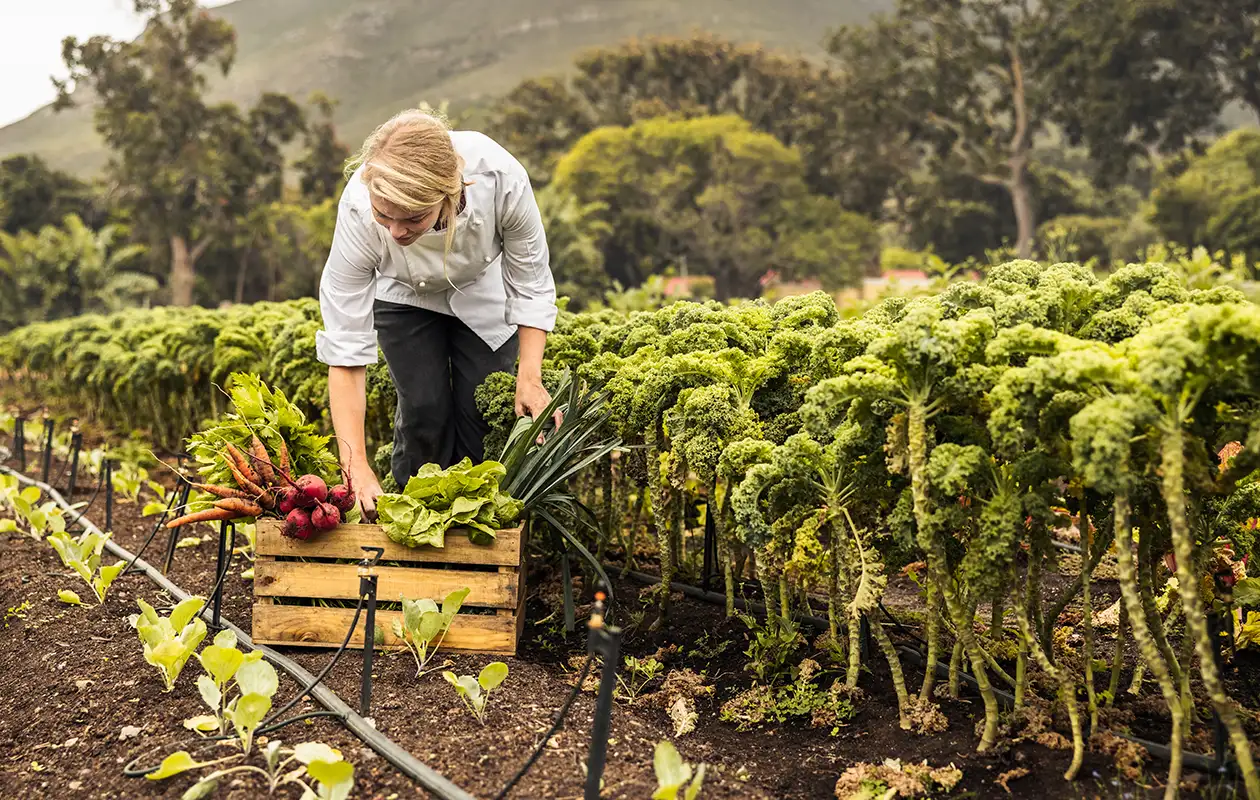
Back to the field. Back to the pasture. Back to the water. Back to the greenhouse. Back to the orchard. Back to the family farm. Back to the market stall. Back to the person whose work made the meal possible.
The chef may be the storyteller at the table, but the producer is often the first author of the story.
When that part is missing, the farm-to-table experience is incomplete.
People Connect With People, Not Categories
Most consumers say they support local producers.
But “local producers” is a category. It is abstract.
People form stronger attachments to individuals than categories.
A farmer with a name is different. A grower with a family story is different. A rancher explaining the land is different. A fisherman describing the season is different. A baker talking about grain, fermentation, and tradition is different. A beekeeper explaining the flavor of a particular honey is different.
Specificity creates connection.
When consumers know the person, the purchase feels different. It is no longer only about price, flavor, or convenience. It becomes relational.
They are not just buying lettuce.
They are supporting the person who grew it.
They are not just ordering a dish.
They are participating in a chain of care.
They are not just attending a dinner.
They are entering a story that began before they arrived.
That is the emotional opportunity farm-to-table has not fully captured.
The Producer Carries Risks the Guest Never Sees
One reason producers deserve more visibility is that their work carries risk.
Weather can change everything. A crop can fail. A storm can erase months of labor. A disease can move through animals or plants. Market prices can shift. Fuel, labor, equipment, insurance, land, and feed costs can rise. A restaurant order can change. A farmers market day can be washed out. A family business can survive or disappear based on tiny margins.
Most consumers do not see that.
They see the final product.
They do not see the uncertainty behind it.
The beauty of farm-to-table is that it can reconnect consumers with the realities of food production. But only if the producer is part of the story.
When the producer remains invisible, consumers may admire the meal without understanding the work behind it.
Cucina can help close that gap.
Producer Stories Build Emotional Loyalty
A good producer story does not need to be sentimental. It needs to be human.
What does this producer grow, raise, catch, bake, preserve, or make? Why did they choose this work? What is difficult about it? What do they wish consumers understood? What does the season demand? What traditions or techniques shape the product? What makes their land, water, family, or process distinctive? How does their work connect to community?
These stories matter because they build emotional loyalty.
A consumer who knows nothing about a producer may compare only price.
A consumer who knows the producer’s story may compare value.
That is a major difference.
Story changes the purchase from a commodity decision to a relationship decision.
It gives people a reason to return. It gives them something to share. It makes the food memorable. It creates pride in supporting someone real.
That is why producer storytelling is not soft content. It is economic support.
Visibility can drive loyalty. Loyalty can drive repeat purchases. Repeat purchases can help sustain local producers.
Restaurants Benefit When Producers Are Visible
Some restaurants may worry that highlighting producers shifts attention away from the chef.
It does not.
It makes the restaurant more credible.
A chef who names producers appears more connected, more intentional, and more rooted in place. A restaurant that tells sourcing stories gives guests more to remember. A menu that includes real producer relationships feels more trustworthy than one using vague farm language.
The strongest farm-to-table restaurants are not diminished by sharing credit.
They are elevated by it.
Guests increasingly want to know where their food comes from. They want dining experiences with meaning. They want to feel connected to local culture. They want stories worth repeating.
Producer visibility gives restaurants all of that.
The chef still matters. The plate still matters. The restaurant still matters.
But the story becomes fuller.
And a fuller story is more powerful.
Farmers Markets Are Full of Untold Stories
Farmers markets are among the best places to solve the invisible producer problem.
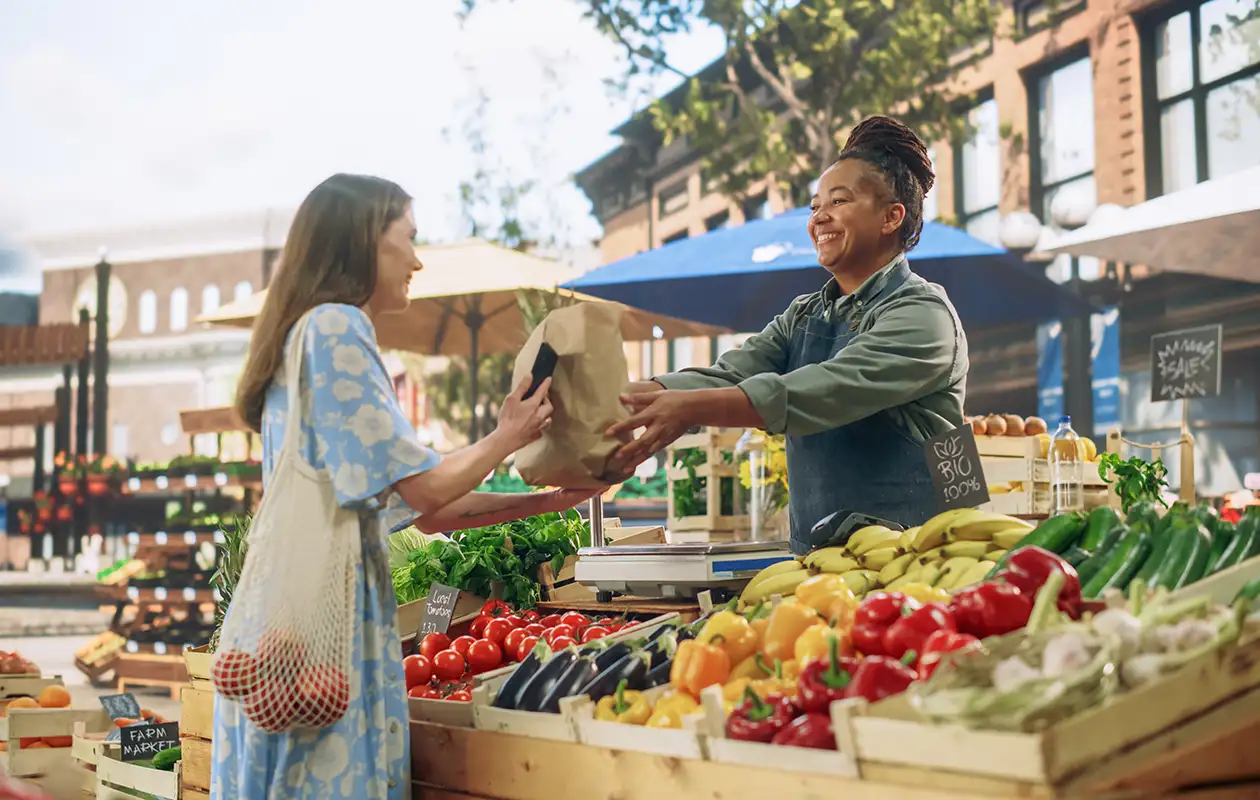
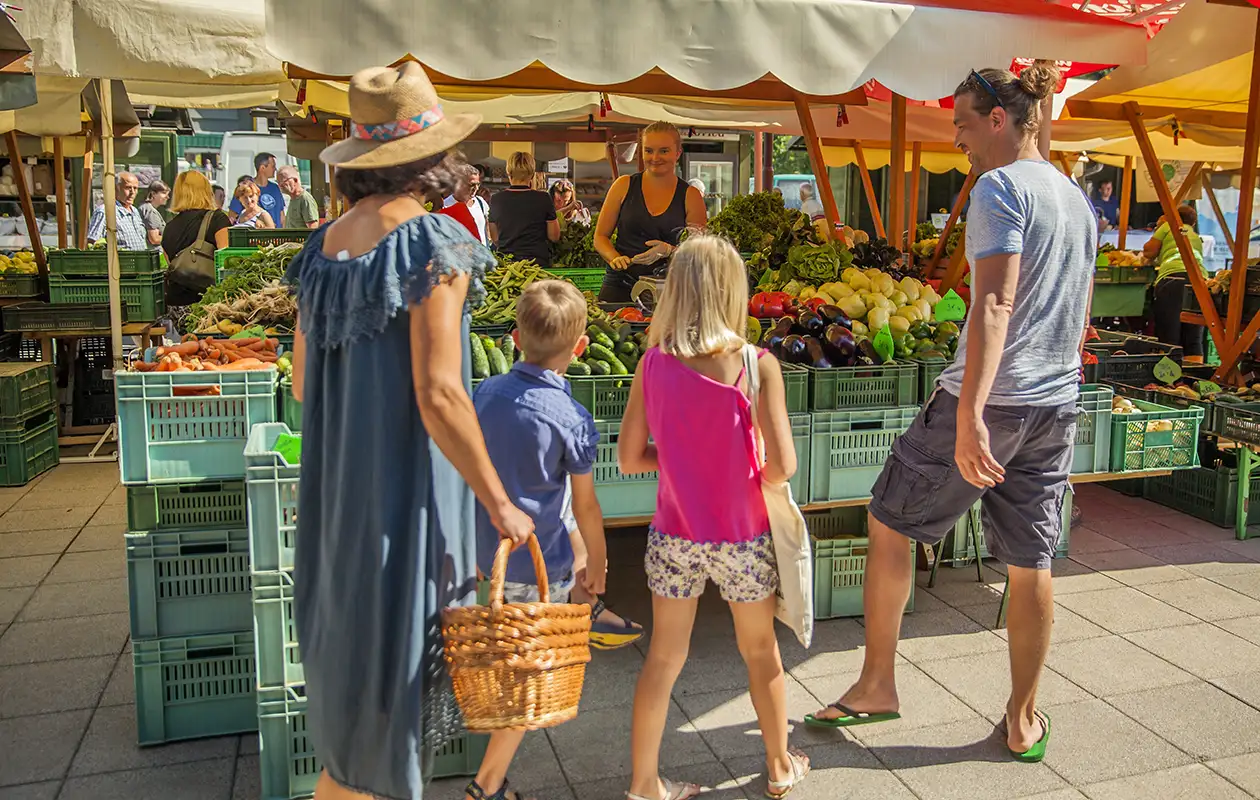
The producer is physically present. The food is visible. The conversation is possible. The community is already gathered.
But even at markets, producers can remain under-known.
A shopper may buy from a booth without learning the producer’s name. They may admire the products without understanding the growing practices. They may walk past unfamiliar vegetables because they do not know how to use them. They may enjoy the market atmosphere without forming a lasting connection to specific vendors.
This is a missed opportunity.
Markets should not only be places of exchange. They should be places of introduction.
Cucina can help markets become more intentional storytelling environments through vendor profiles, weekly producer spotlights, seasonal guides, chef demonstrations, recipe cards, market dinners, and “meet the grower” content.
The goal is simple:
Make the producer memorable.
Because memorable producers are easier to support.
The Plate Needs a Backstory
Every great food experience has layers.
There is the flavor. There is the preparation. There is the setting. There is the company at the table.
But there is also the origin.
Where did this come from? Who made it possible? Why does it taste this way? Why does it belong here, in this place, at this moment?
That backstory matters.
A tomato grown in season by a local farmer is not just a tomato. It is weather, soil, timing, labor, risk, and care.
A fish caught from nearby waters is not just seafood. It is tide, skill, regulation, season, and tradition.
A loaf of bread made from regional grain is not just bread. It is agriculture, milling, fermentation, technique, and patience.
When consumers understand the backstory, food becomes more than consumption.
It becomes appreciation.
That is where Cucina can lead.
The Producer Should Be Part of the Guest Experience
Producer visibility should not be limited to long articles.
It can be built into many forms of experience.
A restaurant can include producer names on menus. A dinner can begin with a short producer introduction. A farmers market can feature a weekly vendor story. A caterer can explain the source of key ingredients. A community supper can include producer table cards. A website can host producer profiles. A social media post can show the farm, not just the finished plate. A newsletter can highlight what is in season and who grew it. A chef can tell guests why a specific ingredient matters.
These are small changes, but they have cumulative power.
They remind people that food does not begin in the kitchen.
It begins with someone’s work.
Cucina’s Role: Make the Producer Visible
This is one of Cucina di Madre Terra’s strongest authority positions:
Cucina makes the people behind the plate visible.
That can become a defining editorial and programming lane.
Cucina can build emotional loyalty for producers by creating interviews, profiles, short documentaries, dinner introductions, market spotlights, chef-producer stories, and recognition programs that bring the producer forward.
This is more than content.
It is cultural repair.
For too long, local food has often allowed the producer to remain in the background while chefs, restaurants, and final dishes receive the spotlight.
Cucina can help rebalance the story.
Not by reducing the chef’s role. Not by diminishing the restaurant experience. But by completing the chain of recognition.
The chef interprets. The restaurant presents. The guest enjoys. But the producer makes the moment possible.
That truth should be visible.
The Future of Local Food Depends on Human Connection
People will not consistently support what they do not know.
They may admire local food in theory. They may like farmers market photos. They may enjoy farm-to-table dinners. But lasting support requires something deeper.
It requires connection.
Connection to a producer. Connection to a place. Connection to a story. Connection to a season. Connection to the human effort behind the food.
That is how loyalty forms.
And loyalty is what local producers need.
Not one-time applause. Not occasional admiration. Not vague support.
They need repeat buyers, trusted restaurant partners, stronger market communities, and consumers who understand why their work matters.
Cucina di Madre Terra can help build that world.
A world where the farmer is not hidden. Where the grower is known. Where the maker is credited. Where the chef shares the story. Where the guest feels connected. Where local food becomes personal.
Because the meal may end at the table.
But the story begins with the producer.
Cucina Authority Statement
Cucina di Madre Terra brings visibility to the people behind local food by telling producer stories, connecting chefs and markets with growers and makers, and helping consumers build deeper loyalty to the farms, families, and food traditions that make each meal possible.