
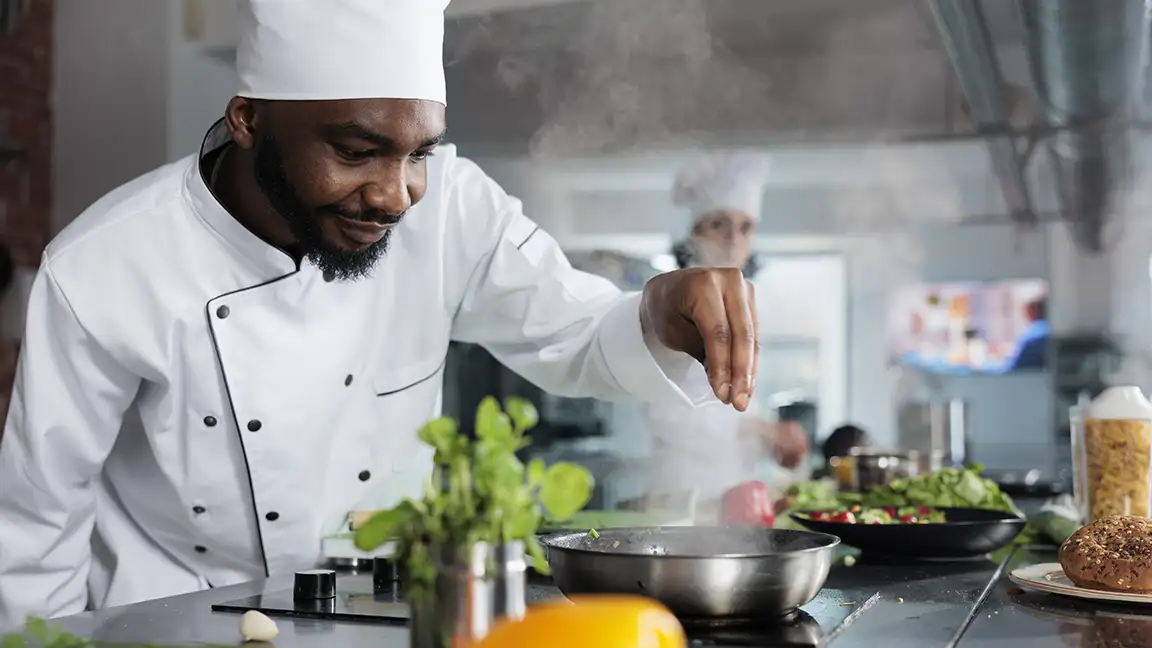
Taste the Place.
Discover restaurants where local ingredients, regional producers and the character of a place come together on the table.
Know the ingredient.
Meet the producer.
Taste the place.
A restaurant can tell you a great deal about a place— if the place is actually on the plate.
Local seafood on the coast. Apples and mountain products in North Georgia. Seasonal vegetables from nearby farms. Rice with a regional history.
Cucina is interested in those connections.
Not simply whether a restaurant is popular, fashionable or highly rated— but whether its food helps people discover the ingredients, producers, seasons and traditions around it.
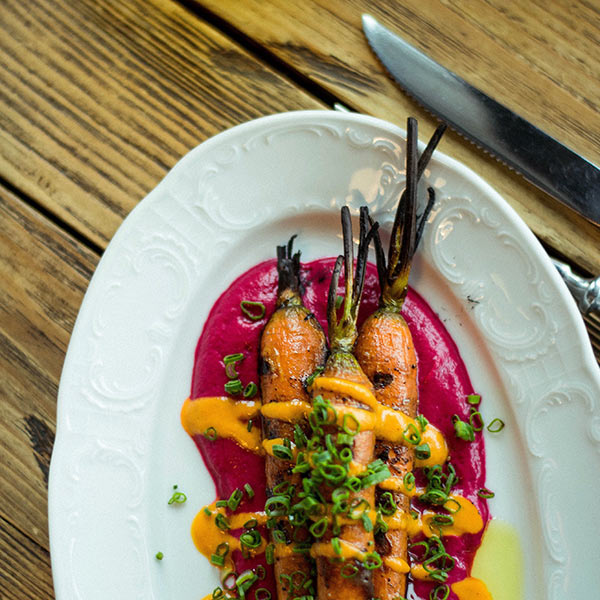
Local Should Mean More Than a Word on the Menu.
The strongest local-food restaurants can show the connection.
Which farms? Which fishers? Which makers? Which ingredients? Which season?
Cucina makes those relationships more visible so diners can understand where the food came from— and restaurants can receive credit for doing the work.
Where Do You Want to Taste?
Start with the place. Then discover restaurants connected to its producers, ingredients and food traditions.

Georgia
From mountain farms to Atlanta kitchens and coastal tables.

Atlanta
Restaurants connecting a major city with farms across the region.

Savannah
Coastal ingredients, Southern traditions and contemporary local tables.

Lowcountry
Marsh, coast, rice, seafood and regional food traditions.
Restaurants Worth Knowing.
Cucina restaurant features focus on the food, the people sourcing it, the producers behind it and the place it represents.

Coastal Table
Regional seafood, seasonal ingredients and relationships with local producers.

City Table
Regional farm sourcing brought into a contemporary city kitchen.

Mountain Table
Seasonal mountain food, regional ingredients and nearby producers.
Find What's Good. Then Find Who's Serving It.
Seasonal discovery should not stop at the market.
If oysters are in season, where can you taste them?
When Georgia apples arrive, which kitchens are putting them on the menu?
When local tomatoes peak, where are chefs letting the ingredient lead?
Cucina connects What to Eat Now directly to the restaurants serving those foods.
See What to Eat Now →
What Do You Want to Taste?
Start with an ingredient or regional food and discover the restaurants helping put it on the table.
Wild Shrimp
Georgia Coast • Lowcountry
Oysters
Coast • Estuaries • Seasonal
Georgia Apples
North Georgia • Fall
Greens
Farms • Cool Season
Rice
Lowcountry • Coast • History
Tomatoes
Farms • Peak Season
Pecans
Georgia • Fall • Southern
More Foods
Browse Cucina's seasonal food index.
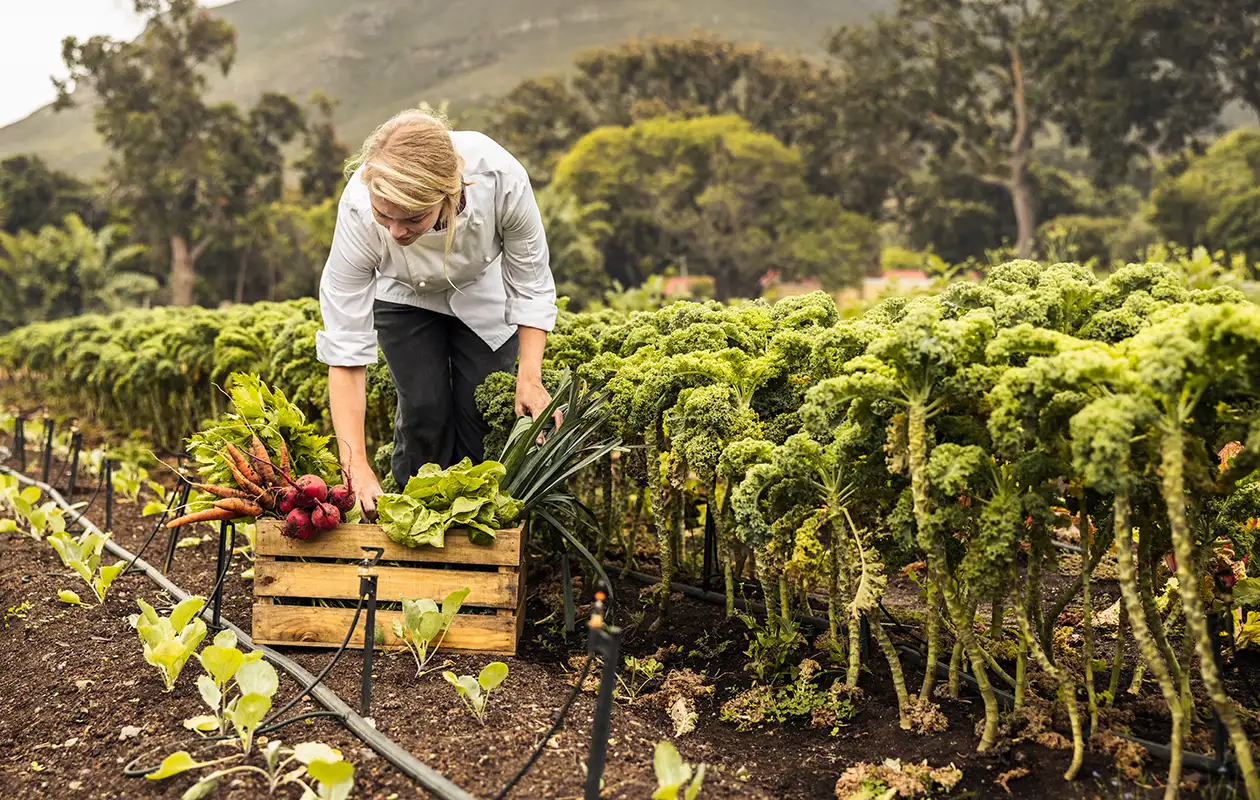
If a Restaurant Says Local, Let's Meet Local.
The strongest evidence of local sourcing is not a marketing phrase.
It is a relationship with a real producer.
Cucina connects restaurants with the farms, fishers, ranchers, growers and makers supplying their kitchens.
Show the Connection.
Cucina does not need another collection of restaurant names, star ratings and generic descriptions.
A restaurant becomes valuable to this platform when it helps explain the local food system.
Each restaurant profile should therefore connect the table to food, producers, season, geography and story.
Where Is It?
City, neighborhood, region and geographic context.
What Makes It Local?
Identify the actual local and regional connections.
Who Do They Source From?
Connect restaurants directly to verified producers.
What Should I Look For?
Seasonal ingredients, regional dishes and locally significant foods.
Why Does It Matter?
Explain how the restaurant contributes to the local food ecosystem.
What Else Can I Discover?
Producers, markets, food trails, heritage and experiences nearby.

Recognition Should Mean Something.
Not who says “local.” Who can demonstrate the connection?
Cucina Recognition is designed to identify restaurants making meaningful connections with producers, regional ingredients and the food culture around them.
The emphasis is evidence: sourcing relationships, seasonal participation, regional food knowledge and consistent support for the local food ecosystem.
Give the Restaurant Context.
The menu is only one part of the story.
A Cucina restaurant profile can connect the restaurant to its location, chefs, local producers, seasonal ingredients, signature regional foods and recognition status.
It can also connect outward to food authority pages, producer profiles, markets, Culinary Journeys, Food Trails, Heritage and related Stories.
One restaurant entity becomes part of the larger Cucina knowledge graph.

Follow the Food All the Way to the Plate.
The restaurant is not the end of the discovery path. It is where the connections become visible on the table.

A Good Table Can Be Part of the Journey.
A restaurant becomes even more meaningful when you understand the landscape, farms, waters, markets and traditions around it.
That is why Cucina restaurants connect directly into Culinary Journeys and Food Trails.
Follow an oyster from the estuary to the restaurant. Follow an apple from the orchard to a mountain kitchen. Follow rice through Lowcountry history and onto today's table.
Explore Culinary Journeys →Beyond the Menu.
The most useful restaurant stories reveal the relationships, decisions and ingredients behind the meal.

What Does “Local” Actually Mean?
Moving from menu language to identifiable producer relationships.

When the Kitchen Knows the Farm
The relationships that turn sourcing into something more meaningful.

More From the Local Table
Explore stories about restaurants, ingredients, producers and place.

Are Local Producers Part of Your Kitchen?
Tell Cucina about your restaurant, the foods that define your table and the producers helping make them possible.
Restaurants demonstrating meaningful local sourcing may also be considered within the Cucina Recognition program.
The goal is simple: make real producer relationships more visible to the people who care about them.
Taste the Place. Know the Connection.
Find the restaurant. Know the ingredient. Meet the producer. Follow the season. Understand the place.
Find Restaurants →